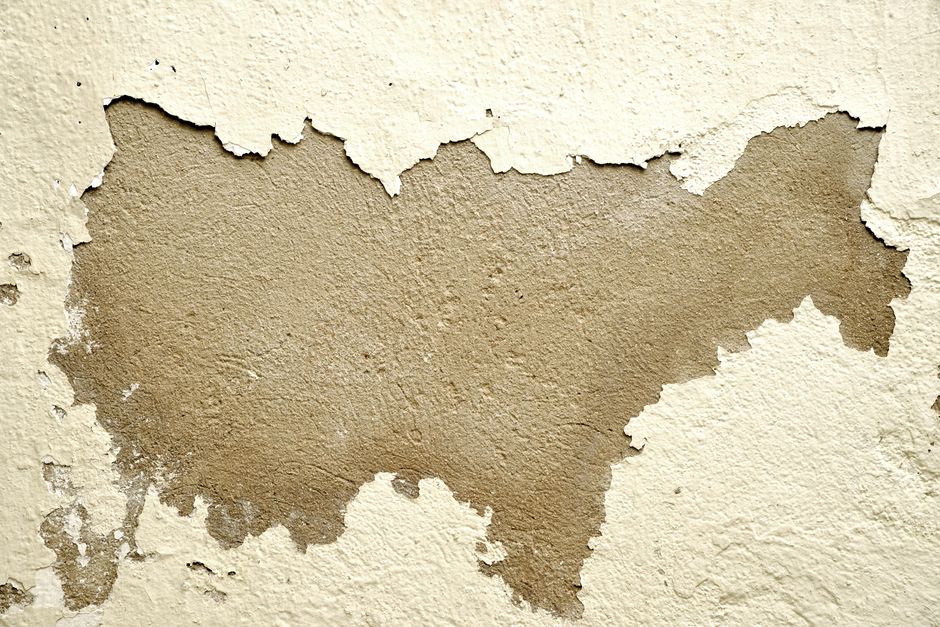
Florida humidity mold growth West Palm Beach homes face is a significant concern for homeowners. The high moisture levels combined with warm temperatures create an ideal environment for mold spores to thrive.
In West Palm Beach, the persistent humid climate often leads to hidden mold infestations inside walls, attics, and basements, causing structural damage and health risks. Homeowners should be aware that excessive moisture from Florida's weather patterns accelerates mold growth, increasing the chance of allergic reactions and respiratory issues.
Managing humidity levels and identifying early signs of mold is crucial to protecting property value and indoor air quality in this region.
Understanding how the Florida humidity mold growth West Palm Beach dynamic impacts residences can help residents take proactive steps and connect with qualified professionals for effective mold remediation solutions.
Why It Matters in West Palm Beach, FL
Understanding the impact of Florida's humid climate on mold growth in West Palm Beach homes is crucial for homeowners. The persistent high humidity levels combined with frequent rainfall create ideal conditions for mold proliferation, which can lead to structural damage and health risks.
Addressing moisture issues promptly helps protect property value and indoor air quality in this coastal region. Local residents should prioritize awareness and prevention strategies to combat the unique challenges posed by Palm Beach's tropical environment.
How Florida’s High Humidity Levels Create Ideal Conditions for Mold Growth in West Palm Beach Homes
Florida humidity consistently ranks among the highest in the nation, with average relative humidity levels often exceeding 70% year-round. In West Palm Beach, this persistent moisture in the air creates an environment where mold growth can accelerate rapidly.
Elevated humidity levels combined with warm temperatures provide the perfect conditions for mold spores to thrive on organic materials commonly found in homes.
West Palm Beach residences frequently experience indoor humidity levels that surpass recommended thresholds, especially during the summer months. This excess moisture can settle on walls, ceilings, and flooring, leading to visible mold colonies and hidden infestations behind drywall or under carpets.
Without adequate ventilation or dehumidification, the humidity mold growth cycle perpetuates, increasing the risk of structural damage and compromised indoor air quality.
Homeowners looking to understand mold growth in West Palm Beach should consider how the region’s unique combination of coastal breezes, high temperatures, and frequent rainfall contribute to sustained moisture levels indoors. These factors create an environment where even small water intrusions or condensation can quickly result in significant mold proliferation.
Key Factors Linking Florida Humidity to Mold Growth in West Palm Beach Homes
- Consistently high outdoor humidity raises indoor moisture content.
- Warm temperatures accelerate mold spore reproduction.
- Poor ventilation traps humid air inside living spaces.
- Building materials like wood and drywall absorb moisture, providing a food source for mold.
Common Types of Mold Found in West Palm Beach Homes Due to Humidity
In West Palm Beach, the persistent humidity creates a favorable environment for several mold species that commonly infest indoor spaces. These molds thrive on the moisture levels present in poorly ventilated or water-damaged areas, significantly impacting indoor air quality and potentially leading to structural damage.
Among the most prevalent mold species found in West Palm Beach homes are Cladosporium, Aspergillus, Penicillium, and Stachybotrys. Cladosporium is often detected on damp walls and fabrics, flourishing in the combined effects of Florida humidity and warm temperatures.
Aspergillus and Penicillium are frequently encountered in areas with water intrusion, such as basements or behind walls, where they can multiply rapidly under high moisture levels. The notorious Stachybotrys, sometimes called black mold, grows on materials with sustained wetness, posing significant health risks if left unaddressed.
Other Common Mold Types in West Palm Beach Homes
- Acremonium: Thrives on damp carpets and insulation, exacerbated by elevated humidity.
- Alternaria: Often found around windows and bathrooms where condensation accumulates.
- Chaetomium: Appears on water-damaged drywall and ceiling tiles, favored by persistent wet conditions.
Homeowners looking to mitigate mold growth should be aware of these species, as their presence is closely linked to the humidity levels typical in West Palm Beach. Professional assessment can identify specific molds and inform effective remediation strategies tailored to the local climate challenges.
Effective Moisture Control Strategies to Prevent Mold Growth in West Palm Beach Residences
Effective moisture control is essential for mold prevention in West Palm Beach residences, where high humidity levels and warm temperatures create persistent challenges. Homeowners should focus on reducing indoor moisture levels to inhibit mold growth and protect indoor air quality.
Professional companies in West Palm Beach often recommend a combination of ventilation improvements, moisture barriers, and routine maintenance to address these issues.
Key strategies include installing and maintaining dehumidifiers capable of managing the typical 70% humidity or higher. Proper ventilation in high-moisture areas like bathrooms, kitchens, and laundry rooms helps reduce moisture buildup.
Additionally, sealing leaks around windows, doors, and roofs prevents water intrusion that could lead to structural damage and mold colonization. Regular inspection of gutters and downspouts also directs water away from the home’s foundation, minimizing high moisture risks.
Practical Moisture Control Tips for West Palm Beach Homeowners
- Use exhaust fans during cooking and bathing to expel humid air outdoors.
- Keep air conditioning units well-maintained to ensure they effectively reduce indoor humidity.
- Maintain gutters and downspouts to prevent water accumulation near the foundation.
- Apply waterproof sealants on basement walls and crawl spaces to block moisture ingress.
- Avoid carpet installation in damp areas prone to condensation.
- Regularly inspect plumbing for leaks that increase moisture levels indoors.
Homeowners looking for lasting solutions should expect to combine these strategies with professional assessments. Getting matched with vetted contractors via a can help identify specific moisture control needs tailored to West Palm Beach's unique climate challenges.
This approach supports effective mold prevention, safeguarding health and property value over time.
Frequently Asked Questions
How does Florida's humid climate contribute to mold growth in homes?
Florida's high humidity levels and warm temperatures create an environment where moisture levels remain elevated, promoting mold growth. This persistent moisture combined with indoor air that lacks proper circulation increases the risk of mold spores settling and multiplying on various surfaces.
What areas of a home are most vulnerable to mold in West Palm Beach?
In West Palm Beach, areas with frequent high moisture exposure such as bathrooms, kitchens, and basements are particularly susceptible. Additionally, spaces with poor ventilation or water leaks often experience humidity mold issues that can lead to structural damage and compromised indoor air quality.
Can mold growth affect property value in humid climates?
Yes, persistent mold growth caused by high moisture and humidity levels can lead to significant property value decline. Visible mold or underlying damage often raises concerns about health risks, structural integrity, and maintenance costs among potential buyers.
What health risks are associated with mold in humid environments?
Mold exposure in humid settings can trigger allergic reactions, respiratory issues, and aggravate asthma. The combination of persistent humidity and mold spores increases the likelihood of health risks, especially for sensitive individuals or those with pre-existing conditions.
How can homeowners monitor humidity to prevent mold growth?
Homeowners should regularly measure indoor humidity levels, aiming to keep them below 60%. Using dehumidifiers and ensuring proper ventilation helps manage moisture levels, reducing the chance of mold growth. Routine inspections for leaks or damp spots are also essential in humid climates like West Palm Beach.
The persistent high humidity and warm temperatures in West Palm Beach create an environment that consistently supports mold growth. Homeowners should recognize the increased risks of structural damage, compromised indoor air quality, and reduced property value associated with unchecked moisture levels.
Understanding these challenges is essential for effective prevention and timely intervention.
Get matched with vetted Mold Remediation in West Palm Beach, FL via our to connect with local experts who can help protect your home from the impacts of humidity mold.