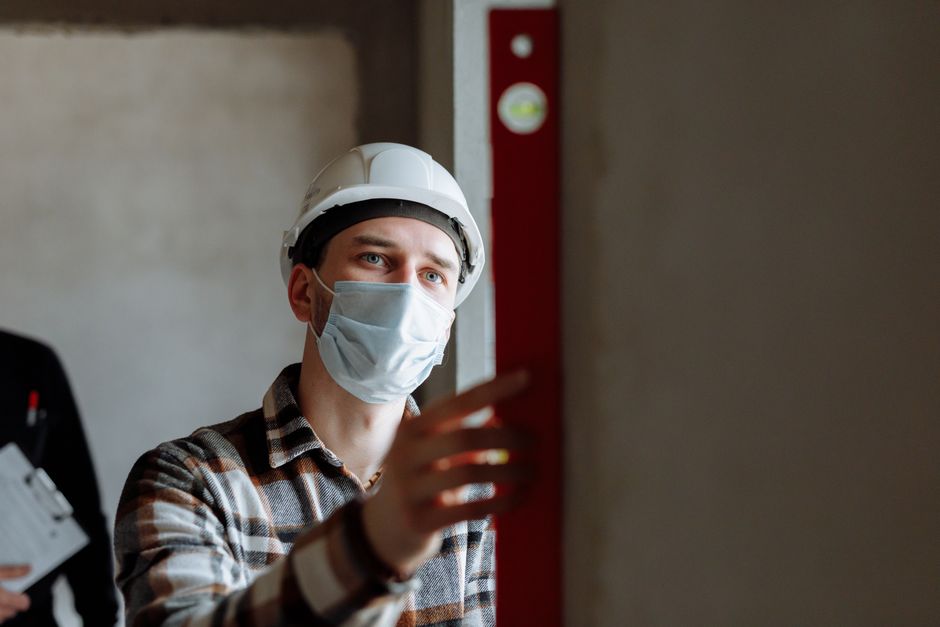
Understanding the mold testing vs inspection difference is essential for homeowners in West Palm Beach, FL facing potential mold growth issues. Both mold inspection and mold testing play critical roles in identifying hidden water damage and indoor air quality concerns.
While mold inspections involve a thorough visual assessment of affected areas, mold testing collects samples to analyze the specific types and concentrations of mold present. Knowing the distinction helps property owners decide which service suits their needs and ensures accurate mold remediation strategies.
Local professionals often recommend combining both approaches for comprehensive results, especially in humid climates where mold spores thrive. Homeowners looking for effective solutions should expect detailed reports that highlight the extent of contamination and guide safe, targeted cleanup efforts.
Quick Takeaways on Mold Testing vs Mold Inspection in West Palm Beach, FL
- Mold inspection in West Palm Beach involves a visual assessment to identify visible mold growth and moisture issues.
- Mold testing includes collecting air or surface samples to detect hidden mold spores not visible during inspection.
- Professional mold inspectors usually recommend testing when there are health concerns or suspicion of concealed mold.
- Testing results provide detailed information on mold species and spore concentration, guiding remediation decisions.
- Homeowners in West Palm Beach should understand that both inspection and testing are complementary steps for comprehensive mold assessment.
Understanding Mold Inspection: Purpose, Process, and What It Reveals
Professional mold inspection in West Palm Beach, FL primarily focuses on identifying visible signs of mold growth and assessing potential moisture issues that could contribute to contamination.
Unlike mold testing, this process does not involve laboratory analysis but relies heavily on a thorough visual assessment and the use of specialized tools to detect underlying problems.
During a typical mold inspection, inspectors examine areas prone to dampness such as basements, attics, and plumbing fixtures. They often employ moisture meters and infrared cameras to uncover hidden sources of water intrusion, which are critical in understanding the extent of mold-related risks.
This approach helps pinpoint areas where mold spores may thrive, even if no visible mold is present.
Homeowners in West Palm Beach should expect the inspection to include a detailed evaluation of building materials, ventilation systems, and any evidence of past water damage. The findings provide a comprehensive overview of environmental conditions conducive to mold growth, enabling informed decisions about remediation or prevention strategies.
Exploring Mold Testing: Techniques, Types of Samples, and Lab Analysis
Mold testing in West Palm Beach, FL typically involves several specialized techniques to collect samples for laboratory analysis. The most common methods include air sampling, surface sampling, and bulk sampling.
Each technique targets different aspects of mold presence, helping to establish the type and concentration of mold spores in a given environment.
Air sampling captures airborne mold spores using devices that pull air through a collection medium. This method is crucial for assessing the spore count in indoor air, which can indicate hidden mold growth or elevated mold levels compared to outdoor baselines.
Surface sampling involves swabbing or tape lifts on visible or suspected mold areas to identify species present on surfaces. Bulk sampling, on the other hand, collects pieces of contaminated materials such as drywall or insulation for further analysis.
Laboratory Analysis and Its Role
Once samples reach a laboratory, technicians use microscopy and culturing techniques to identify mold species and quantify spore concentrations. This detailed analysis helps determine whether the mold is a common allergen or a potentially toxic variety.
In West Palm Beach homes, where humidity and water damage can promote diverse mold growth, precise identification assists in tailoring remediation strategies. Homeowners seeking mold testing services should expect detailed reports that include species identification, spore counts, and recommendations based on the findings.
Key Differences Between Mold Testing and Mold Inspection in West Palm Beach Homes
Homeowners in West Palm Beach often face decisions regarding mold inspection and mold testing, which serve distinct purposes in managing mold growth.
While an inspection involves a thorough visual assessment to identify areas with potential water damage or visible mold present, testing focuses on collecting samples for laboratory analysis to quantify and identify specific mold spores.
The cost comparison between these services typically shows that mold inspections are more affordable, generally ranging from $200 to $600, depending on the property's size and complexity. In contrast, mold testing can range from $300 to over $1,000, influenced by the number of samples and the type of tests performed.
This price difference reflects the additional resources required for sample collection and lab processing.
The service timeline also varies: inspections usually take a few hours, providing immediate feedback on visible conditions. Testing requires more time, as samples must be sent to specialized laboratories, with results often taking several days to a week.
Consequently, inspections are recommended as an initial step for homeowners suspecting mold growth, while testing is advisable when specific identification of mold types or airborne spore levels is necessary for informed remediation strategies.
When to Choose Each Service
- Mold Inspection: Ideal for initial assessment, identifying visible mold and moisture issues quickly.
- Mold Testing: Recommended when invisible mold is suspected, or detailed information about mold types is needed.
- Combined Approach: Often, professionals in West Palm Beach suggest starting with an inspection followed by targeted testing if concerns persist.
Mold Testing vs Mold Inspection: What's the Difference?
| Option | Pros | Cons | Best For |
|---|---|---|---|
| Mold Inspection | Identifies visible mold growth, detects moisture issues, helps plan remediation strategies | Cannot confirm mold species, may miss hidden mold, relies on visual cues | Homeowners suspecting water damage, initial assessment before testing |
| Mold Testing | Confirms mold species and spore levels, provides laboratory analysis, detects hidden mold presence | Costs typically range from $200 to $600, requires sample collection, results take time for lab processing | Homes with health concerns, verifying mold type and extent |
| Combined Inspection and Testing | Comprehensive assessment, accurate identification of mold issues, supports effective remediation planning | Higher overall cost, potentially $300 to $1,000+, longer process duration, requires coordination of services | Properties with complex mold problems, insurance claims or legal cases |
| DIY Mold Inspection | Low cost or free, immediate visual assessment, can identify obvious mold spots | Lacks professional expertise, cannot identify mold species, may overlook hidden moisture problems | Homeowners with minor visible mold concerns, preliminary check before professional help |
Frequently Asked Questions
What are the main purposes of mold inspection and mold testing?
Mold inspection primarily involves a thorough visual assessment to identify visible mold and signs of water damage. In contrast, mold testing aims to collect samples of mold spores and conduct laboratory analysis to determine mold species and concentration levels, especially when hidden mold is suspected.
When should homeowners in West Palm Beach consider mold testing?
Homeowners in West Palm Beach should consider mold testing if there is suspicion of hidden mold without visible signs, or if health symptoms suggest exposure. Testing helps identify specific mold species, informing tailored remediation strategies for effective removal and prevention of further mold growth.
Can mold inspection detect all types of mold problems?
Mold inspection can detect many issues through visual cues such as stains, odors, and moisture. However, it may miss hidden mold behind walls or under flooring. Professional companies often recommend combining inspection with mold testing for comprehensive identification of mold present.
How do mold testing results impact remediation strategies?
Mold testing results provide detailed information about mold species and spore concentrations. This data guides contractors in choosing appropriate remediation strategies, targeting specific molds and addressing underlying moisture issues, which is crucial for preventing recurring mold growth.
Is mold testing more expensive than mold inspection in West Palm Beach?
Mold testing generally costs more than a basic mold inspection, often ranging from $300 to $1,000+. Inspections focus on identifying visible problems, while testing requires collecting samples and performing laboratory analysis, contributing to higher costs for homeowners in the Palm Beach area.
Deciding between mold testing and mold inspection in West Palm Beach, FL depends on the specific concerns about mold growth and water damage. While inspection mold provides a thorough visual assessment for visible mold and potential moisture issues, mold testing offers detailed insights into mold species through laboratory analysis.
Both play vital roles in developing effective remediation strategies.
Homeowners seeking to address hidden mold or confirm contamination levels should contact local West Palm Beach professionals. Get matched with vetted Mold Remediation in West Palm Beach, FL via our -matching form to start the process.